如果没有你原唱是谁
视频简介
Eburi is a 36 year-old man. Nothing enthuses him any more. While being drunk, he promises to contribute a story to a magazine. When he sobers down, he decides to write about the life of a salaried employee like himself who is very ordinary, not particularly talented. The following is his story: In 1949, Eburi gets married to Natsuko. His monthly salary is 8,000 yen and hers 4,000 yen. Therefore, both have to work to support themselves. Eburi has developed a habituIl tendency to pester around when he gets drunk. One year after their marriage, son Shosuke is born. In 1959, Eburi's mother dies in despair of her husband who has become listless due to the several ups and downs of gaining big profits and going bankrupt. His father is still alive and Eburi is enable to find a way to pay his father's debts. He is doubtful if he can make his wife and child happy. Nevertheless, he has somehow managed to survive so far, living in one of the houses at the employee housing quarters. He gives the title "The Elegant Life of Mr. Everyman" to his story of half novel and half essay style. When it is published, it receives the Naoki Literary Prize (the award given in memory of popular writer Naoki Sanjugo). At a party to celebrate his award, he gets drunk and pesters around. Notes The film is based on a novel written in the style of an essay under the same title by Yamaguchi Hitomi, depicting everyday life of a man categorized as "During-the-war Generation" who spent school days during the war and get married to start new life in the struggling post-war era. "Everyman" in the title means an average salaried employee who makes up an overwhelming majority of the city population in Japan, and "The Elegant Life" indicates sarcasm on betterment of the standard of living of ordinary salaried employees accompanied with Japan's economic growth after only a decade from the destroyed post-war period. As depicted in the film, the author Yamaguchi Hitomi was awarded the Naoki Literature Prize for this story. When he established himself well enough to become independent, he quit working as a salaried employee. Director Okamoto Kihachi and the leading actor Kobayashi Keiju belong to the same generation as the author. Exploiting innovative effects such as inserting animation sequences, the film humorously presents compassion of a middle-aged salaried employee. Kobayashi Keiju, who was originally noted for his excellent portrayal of salaried employee, won the best leading actor award of the Mainichi Film Contest for his superb performance in this picture.。Sometime in the near future, paraplegic prison inmate Matt Mills meets "The Board" of Satoshi-Telefair Industries, who thank him for joining the Program. Under pressure and with a promise to make him walk again, Mills agrees to volunteer. He is injected with a synthetic nanomaterial and suffocated, only to wake up with restored use of his legs, yet alone in a steel cell in the ...。以中国手工瓷装饰历史为脉络,以瓷器的颜值为贯穿点,通过讲述手工瓷器之美,拉近我们与瓷儿的距离。从简单的单色釉,繁衍到五彩交融的各类装饰,青花、斗彩、五彩及现代创新装饰等,依托手工瓷器发展时光轴,次第登场。。
标签
选择播放
相关推荐

男生女生向前冲第十八季
男生女生向前冲第十八季

全知干预视角
全知干预视角

战火英雄
战火英雄

天赐的声音第七季
天赐的声音第七季

RunningMan
RunningMan

明天也要上班!
明天也要上班!

宝岛西米乐
宝岛西米乐

百家讲坛
百家讲坛

京城奇探
京城奇探

歌手2026
歌手2026

野狗骨头
野狗骨头
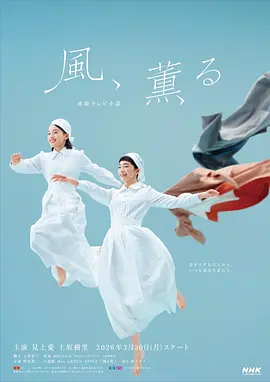
风,带有香气
风,带有香气

我的虚构
我的虚构

第三调解室
第三调解室

夫妻的博弈国语
夫妻的博弈国语

斗罗大陆4终极斗罗动态漫画
斗罗大陆4终极斗罗动态漫画

非诚勿扰
非诚勿扰

少侠逆袭攻略
少侠逆袭攻略

最强出涸皇子的暗跃帝位争夺
最强出涸皇子的暗跃帝位争夺

拳锋
拳锋
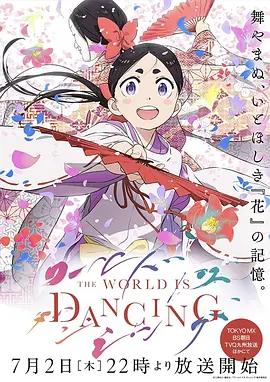
世界在起舞
世界在起舞

骸骨骑士大人异世界冒险中Ⅱ
骸骨骑士大人异世界冒险中Ⅱ

种墨园
种墨园
